Mahashivratri – Significance, Date, Puja Method & Complete Guide

Mahashivratri is one of the most sacred and spiritually significant festivals in Hinduism. This holy occasion is dedicated to the worship of Lord Shiva and is considered a special day for devotion, meditation, and inner purification.
shivratri

What is Mahashivratri?

The word Mahashivratri means “the Great Night of Lord Shiva.”
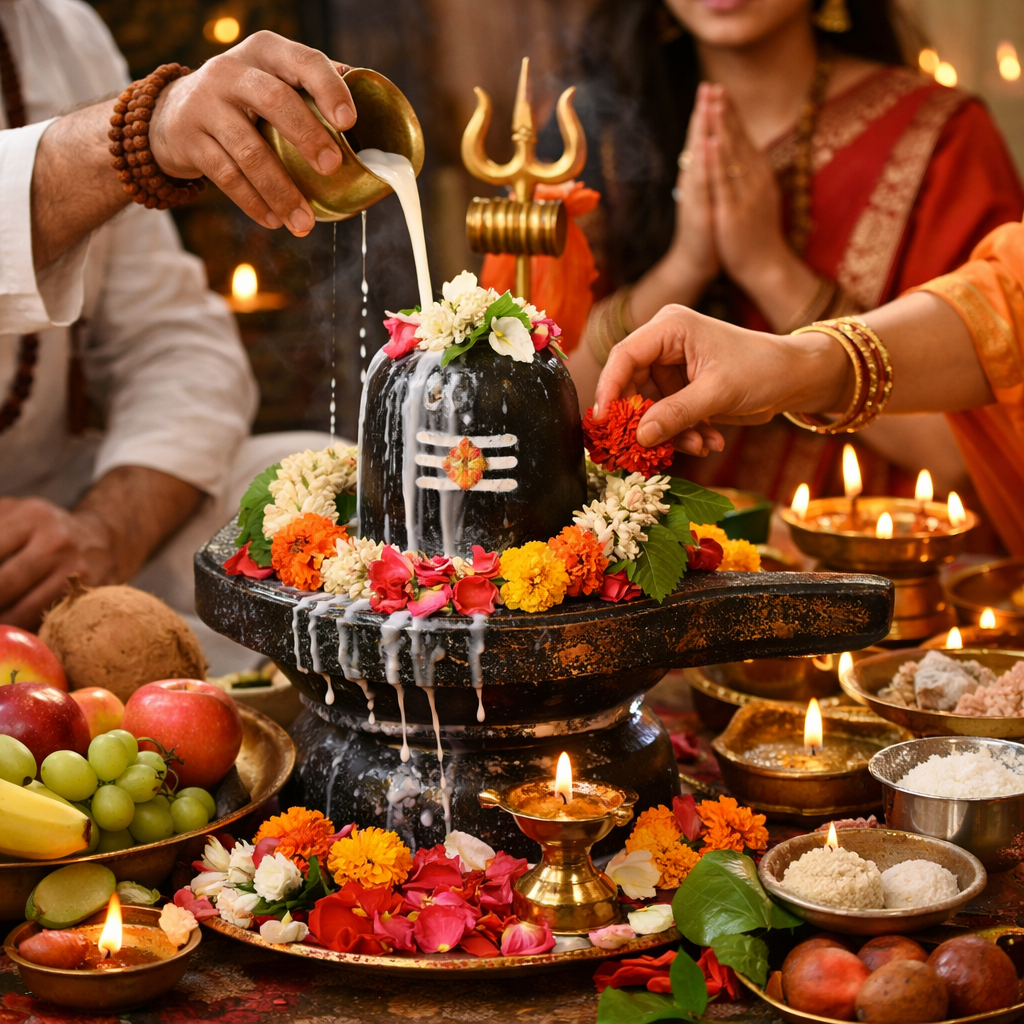
On this auspicious day, devotees observe fasting, stay awake throughout the night, and worship the Shiva Lingam with deep faith and devotion. It is believed that worshipping Lord Shiva on this night helps remove sins and leads one toward spiritual liberation.

Why Is Mahashivratri Celebrated?

Mahashivratri is celebrated for several mythological and spiritual reasons:

Marriage of Shiva and Parvati

  • This day marks the divine marriage of Lord Shiva and Goddess Parvati
  • It symbolizes marital harmony, love, and devotion

Samudra Manthan and Neelkanth

  • During the churning of the ocean (Samudra Manthan), deadly poison emerged
  • Lord Shiva consumed the poison to save the universe
  • Because of this, He came to be known as Neelkanth (the blue-throated one)
  • This act represents sacrifice and protection of the world

Emergence of the Shiva Lingam

  • It is believed that the Shiva Lingam first appeared on this day
  • Hence, worship of the Shiva Lingam holds special importance

Night of Spiritual Awakening

  • Mahashivratri is considered the most powerful night for yoga and meditation
  • It opens the path to spiritual growth and liberation (moksha)

When Is Mahashivratri Celebrated?

  • Mahashivratri is observed on the 14th day (Chaturdashi) of the Krishna Paksha in the month of Phalguna
  • It usually falls in February or March
  • The exact date changes every year according to the Hindu lunar calendar

How Is Mahashivratri Celebrated?

  • Special decorations in Shiva temples
  • Observing a day-long fast
  • Performing four Prahar (night-time) puja
  • Chanting mantras, bhajans, and kirtans
  • Reading the Shiva Purana and fasting stories

Mahashivratri Puja Vidhi (Worship Method)

Puja Preparation

  • Take an early morning bath
  • Wear clean clothes
  • Install a Shiva Lingam at home or visit a temple

Items for Shiva Lingam Abhishek

  • Water
  • Milk
  • Curd
  • Ghee
  • Honey
  • Ganga water
  • Bilva leaves, Datura, sacred ash (Bhasma)
  • White flowers

Puja Procedure

  • Chant the mantra “Om Namah Shivaya”
  • Perform abhishek step by step
  • Offer Bilva leaves
  • Light incense and lamps
  • Recite Shiva Chalisa or Shiva Aarti

Importance of Four Prahar Puja

Worshipping Lord Shiva during the four phases of the night is considered highly auspicious:

  • First Prahar – Abhishek with water
  • Second Prahar – Abhishek with milk and curd
  • Third Prahar – Abhishek with ghee and honey
  • Fourth Prahar – Abhishek with Ganga water and fruits

What Should Be Done on Mahashivratri?

  • Observe fasting and self-discipline
  • Follow truth and non-violence
  • Chant Shiva mantras
  • Donate to the needy
  • Stay away from negative thoughts
  • Practice meditation and yoga

What to Eat During Mahashivratri Fast?

  • Fruits
  • Sabudana (sago)
  • Buckwheat flour (Kuttu)
  • Milk and fruit-based meals
  • Water chestnut flour (Singhara)

Spiritual Significance of Mahashivratri

  • Purification of mind, speech, and actions
  • Destruction of negative energies
  • Attainment of inner peace and liberation
  • Balance and stability in life

Mahashivratri – FAQs (Frequently Asked Questions)

Why is Mahashivratri celebrated?

Mahashivratri is celebrated to worship Lord Shiva and for spiritual awakening. It is believed that on this day Lord Shiva married Goddess Parvati and the Shiva Lingam appeared.

When is Mahashivratri observed?

Mahashivratri is celebrated on the Chaturdashi of Krishna Paksha in the month of Phalguna, usually in February or March.

Does Mahashivratri fall on the same date every year?

No, the date changes every year as it is based on the lunar calendar.

What should be offered to the Shiva Lingam?

Water, milk, curd, ghee, honey, Ganga water, Bilva leaves, white flowers, and sacred ash are offered.

Which mantra is most effective on Mahashivratri?

The mantra “Om Namah Shivaya” is considered the most powerful and simple Shiva mantra.

How should a sick person observe the Mahashivratri fast?

A sick person may observe a fruit-based fast or keep a mental fast while praying to Lord Shiva.

Himachal Pradesh Statehood Day

Himachal Pradesh Statehood Day is celebrated every year on 25th January. This day holds an important place in the history of Himachal Pradesh, as it marks the day when the state gained recognition as a full-fledged state of India.

What is Himachal Statehood Day?

Himachal Statehood Day marks the historic day when Himachal Pradesh officially became a full-fledged state of India. This day symbolizes the beginning of the state’s political, social, and cultural development.

Historical Background: Act Passed by Parliament

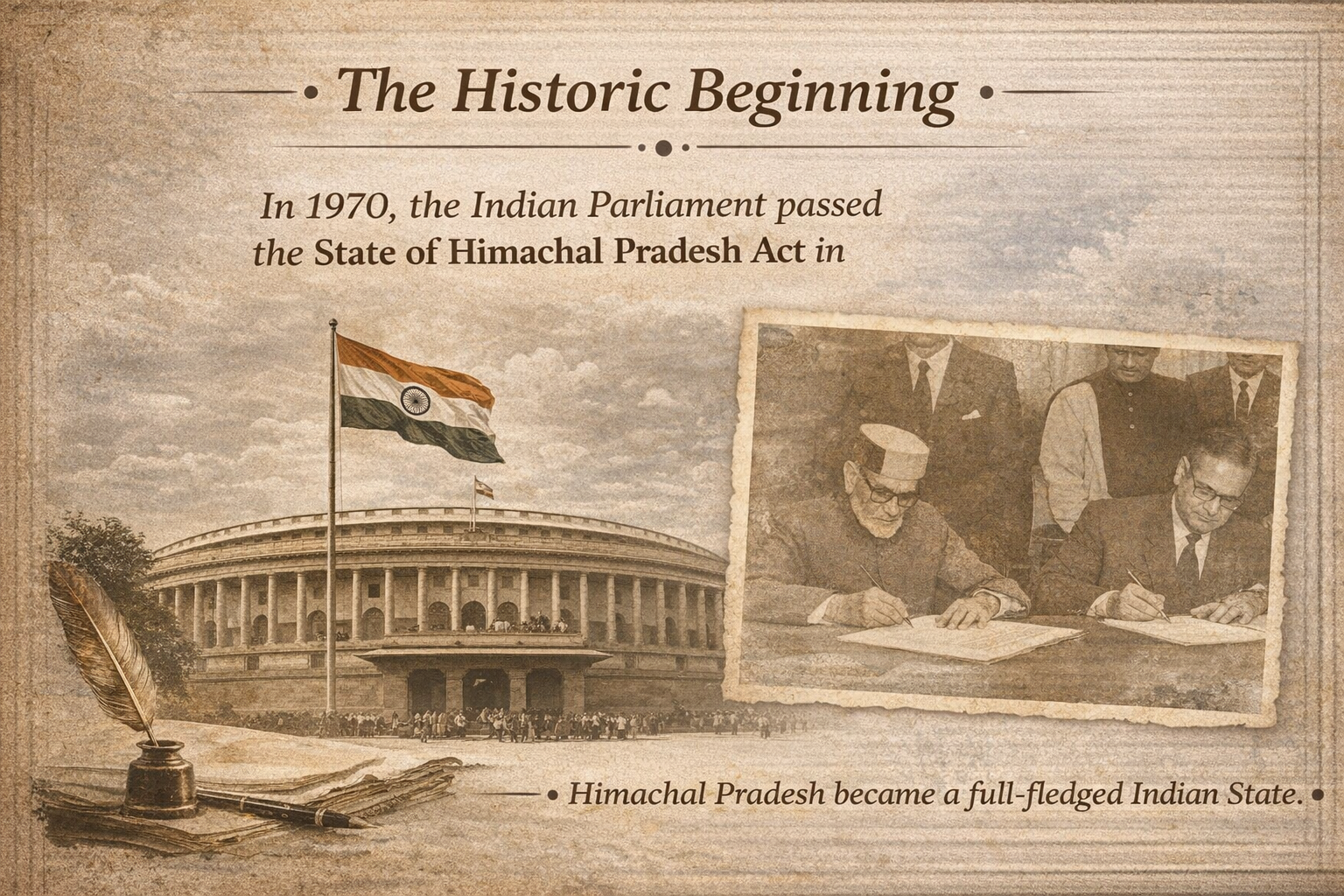
In 1970, the Indian Parliament passed the Himachal Pradesh State Act. This act paved the way for Himachal Pradesh to be granted the status of a full-fledged state.

historyhimachalact

Formation of the State: 25 January 1971

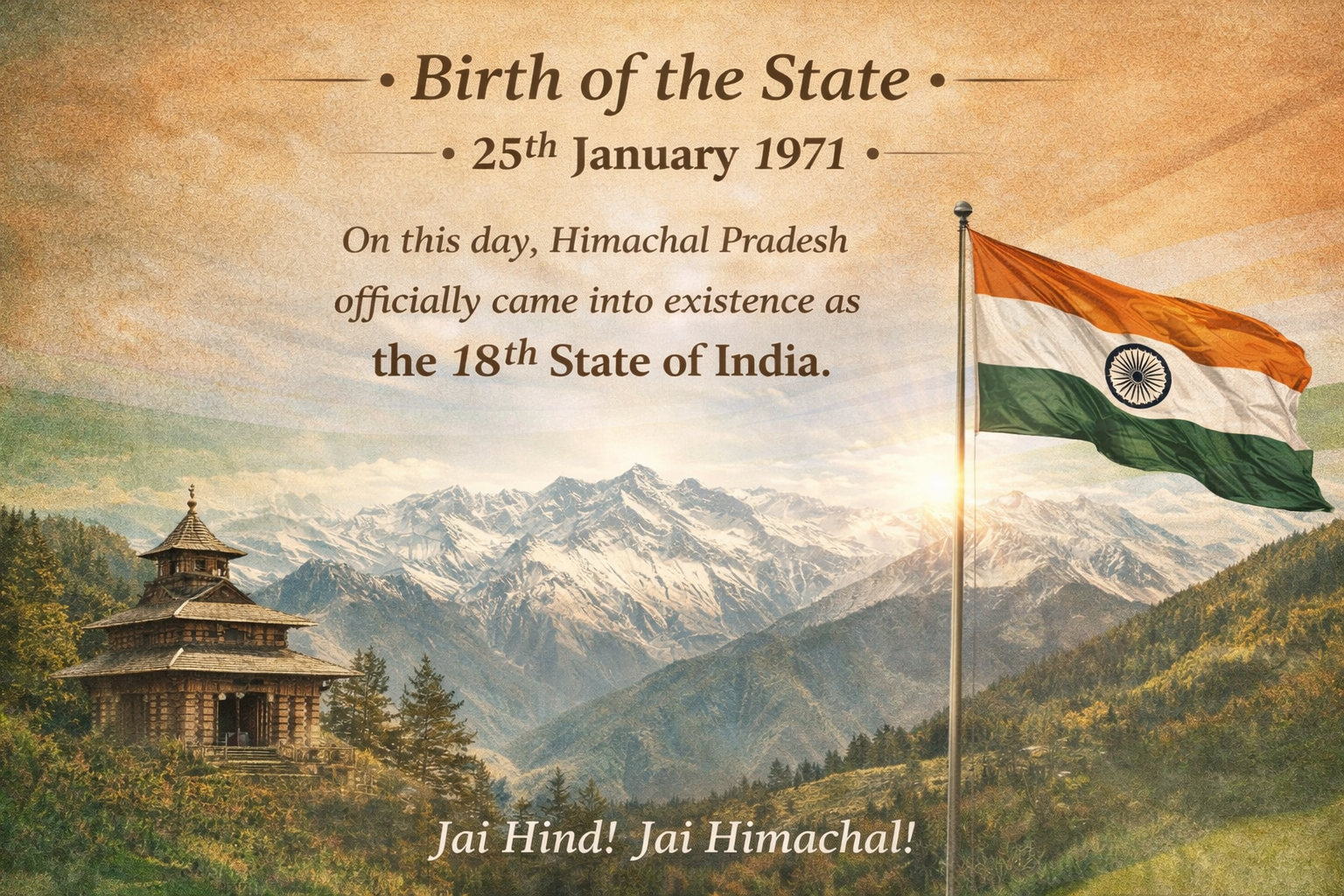
On 25th January 1971, Himachal Pradesh officially became the 18th state of India. This day is a symbol of pride and honor for the people of Himachal.

Importance of 25th January:

25th January is celebrated every year as Himachal Pradesh Statehood Day. On this day, cultural programs, official ceremonies, and various events are held across the state.

Land of Faith and Spirituality:

Himachal Pradesh is known as “Devbhoomi”, meaning the Land of Gods. The state is home to ancient temples, monasteries, and sacred mountains, reflecting its spiritual identity.

Natural Beauty and Culture

Himachal Pradesh is full of natural beauty, with snow-capped mountains, lush green valleys, rivers, and apple orchards. Its folk culture, traditional attire, and customs give the state its unique identity.

Proud to Say – We Are Himachalis:

The true strength of Himachal Pradesh lies in its people, their values, and their unity. Simple lifestyles, hospitality, and a strong sense of community define the state’s identity.

Message to the Youth

It is the responsibility of today’s youth to protect Himachal’s culture, environment, and heritage, so that future generations can also experience this beautiful land.

Happy Himachal Statehood Day

We are proud to be born in this beautiful land.
Jai Himachal! Jai Bharat!

Frequently Asked Questions

What is Himachal Pradesh Statehood Day?

Himachal Pradesh Statehood Day is the day when Himachal Pradesh became a full-fledged state of India. This day is celebrated every year on 25th January.

When did Himachal Pradesh become a state?

Himachal Pradesh officially became the 18th state of India on 25th January 1971.

When was the Himachal Pradesh State Act passed?

The Indian Parliament passed the Himachal Pradesh State Act in 1970, after which the state was officially formed.

What is celebrated in Himachal on 25th January?

On 25th January, Himachal Pradesh Statehood Day is celebrated across the state, with government programs, cultural events, and official ceremonies.

Why is Himachal Pradesh called Devbhoomi?

Himachal Pradesh is called “Devbhoomi” (Abode of Gods) because it is home to numerous ancient temples, monasteries, and sacred mountains, reflecting its spiritual identity.

What is Himachal Pradesh known for?

Himachal Pradesh is known for its:

  • Natural beauty
  • Rich culture
  • Peaceful lifestyle
  • Strong community values

What is the significance of Himachal Statehood Day?

This day is a symbol of Himachal Pradesh’s political development, cultural pride, and the unity of its people.

Message to the Youth

It is the responsibility of today’s youth to preserve Himachal’s culture, environment, and heritage, so that future generations can also honor this Devbhoomi.

Top Things to Do During Snowfall Season in Himachal Pradesh

Himachal Pradesh becomes a winter wonderland during the snowfall season, offering countless activities for travelers and adventure seekers. People who visit Himachal to enjoy snow can experience a variety of snow adventure sports and winter activities, making it one of the best destinations in India for snow tourism.

Best Snow Adventure Destinations in Himachal Pradesh

Himachal Pradesh transforms into a winter adventure paradise during snowfall season. From thrilling snow sports to peaceful white-landscape experiences, these destinations offer the best snow adventures in India.

Skiinginhimachal

Following are the most popular snow adventures activities in Himachal with professional instructors and easy access

  • Skiing
  • Snow Skiing
  • Snowboarding
  • Snow Tubing
  • Sledging
  • Snow Scootering / Snow Biking
  • Snow Trekking
  • Snow camping
  • Ice Skating

    Snow Adventures Destinations in Himachal are:

    • Solang Valley (Near Manali)
    • Manali
    • Kufri (Near Shimla)
    • Narkanda
    • Sethan Valley (Near Manali)
    • Dalhousie – Khajjiar
    • Spiti Valley (Winter Season)
    Snow Trekking in truind, hamtapass

    Most Asked Questions Answered

    Q1. What are the best snow adventure activities in Himachal Pradesh?
    A. Himachal Pradesh offers a wide range of snow adventures including skiing, snowboarding, snow tubing, sledging, snow trekking, snow camping, ice skating, and snow scootering, mainly during the winter season.

    Q2. Which are the best places for snow adventures in Himachal?
    A. The top destinations for snow adventures in Himachal include Solang Valley, Manali, Kufri, Narkanda, Sethan Valley, Dalhousie–Khajjiar, and Spiti Valley.

    Q3. When is the best time to enjoy snow adventures in Himachal?
    A. The best time for snow adventures in Himachal is from December to February, when most regions receive heavy snowfall and snow sports are fully operational.

    Q4. Is snow adventure safe for beginners in Himachal?
    A. Yes, snow adventure activities are safe for beginners when done at certified locations like Solang Valley and Kufri, where trained instructors, safety gear, and guided sessions are available.

    Q5. Which place in Himachal is best for skiing?
    A. Solang Valley, Narkanda, and Kufri are considered the best skiing destinations in Himachal Pradesh, with slopes suitable for both beginners and professionals.

    Q6. Is snowfall guaranteed during winter in Himachal?
    A. Snowfall is common in winter, but it depends on weather conditions. Higher-altitude areas like Solang Valley, Narkanda, and Spiti have better snowfall chances.

    Things to Remember When Going for Snow Adventure Activities in Himachal

    • Wear Proper Winter Clothing – Waterproof jacket and pants, now boots with good grip, Woolen socks, gloves & cap etc.
    • Always Use Safety Gear – Helmet for skiing & snow biking, Knee and elbow guards
    • Choose Authorized Adventure Operators – Book activities only with registered local operators, Check instructor experience
    • Check Weather & Snow Conditions – Avoid activities during heavy snowfall or storms, Confirm road conditions before traveling
    • Choose the Right Place for Your Skill Level : Beginners: Kufri, Solang Valley , intermediate: Manali, Sethan Valley and Experts: Narkanda, Spiti Valley
    • Camera protection
    • Safety gear
    • Water & snacks
    • Carry Essential Documents & Cash – Government ID, Hotel booking details, Some cash (network issues in snow areas)

    Best Time : Dec – Feb